We’ve all experienced those moments when our healthy routines falter. Whether it’s because of a busy schedule, a lack of motivation or unexpected life events, getting off track with our diet and fitness goals can happen to anyone. The good news is that it’s entirely possible to regain momentum and recommit to a healthier lifestyle. Here are 10 effective strategies to help you get back on track with your diet and fitness journey… 1. Reflect on Your Why Start by reconnecting with your reasons for wanting to prioritise your health. Reflect on the benefits of leading a healthier lifestyle, whether it’s to feel more energised, improve your overall well-being or achieve specific fitness goals. Reminding yourself of your motivations can reignite your determination and help you stay focused on the bigger picture. 2. Set Realistic Goals Setting realistic and achievable goals is crucial when getting back on track with your diet and fitness. Start with small, attainable milestones that will gradually lead you toward your larger objectives. Whether it’s aiming to incorporate more vegetables into your meals or committing to a certain number of workouts per week, setting achievable goals will prevent you from feeling overwhelmed and increase your chances of success. 3. Plan and Prep Meals Meal planning and preparation can significantly support your efforts to maintain a healthy diet. Dedicate time each week to plan your meals, create a shopping list and prepare some healthy options in advance. Having nutritious meals readily available reduces the temptation to opt for less healthy alternatives when hunger strikes. 4. Find Fitness Activities You Enjoy Exercise shouldn’t feel like a chore. Experiment with various forms of physical activity until you find something you genuinely enjoy. Whether it’s strength training, dancing, hiking, swimming or joining a fitness class, incorporating activities you love into your routine makes it easier to stay consistent and motivated. 5. Gradually Incorporate Diet and Fitness Changes Rushing into extreme diet and fitness changes often leads to burnout. Instead, focus on making gradual changes. Start by swapping out one unhealthy food item for a healthier alternative or adding an extra day of exercise to your weekly routine. Slow and steady progress is more sustainable in the long run. 6. Prioritise Sleep and Stress Management Adequate sleep and effective stress management play important roles in your overall health. Aim for seven to nine hours of quality sleep per night and explore stress-relieving practices such as meditation, yoga or journalling exercises. Managing stress levels can prevent emotional eating and support your commitment to a healthier lifestyle. 7. Track Your Progress Keeping track of your diet and fitness progress can be incredibly motivating. Whether it’s monitoring your workouts, recording your meals in a journal or using fitness apps, tracking your journey allows you to celebrate achievements and identify areas that may need changing. 8. Seek Support and Accountability Sharing your goals with a friend, joining a fitness group or working with a personal trainer can provide invaluable support and accountability. Having someone to share your successes and challenges with can keep you motivated and committed to your health journey. 9. Be Kind to Yourself Remember, setbacks are a natural part of any diet and fitness journey. If you slip up or face obstacles along the way, practice self-compassion rather than self-criticism. Embrace learning from setbacks and use them as opportunities to grow stronger in your commitment to a healthier lifestyle. 10. Stay Consistent and Adapt Consistency is key for maintaining a healthy diet and fitness routine. However, life can be unpredictable, and it’s essential to adapt to changes and challenges. Be flexible in adjusting your plan if needed, but always aim to stay consistent with your efforts to prioritise your health. You CAN Get Back On Track With Your Diet and Fitness Journey! Getting back on track with your diet and fitness is a journey that requires patience, dedication, and a positive mindset. By reconnecting with your motivations, setting achievable goals, incorporating healthy habits gradually and seeking support when needed, you can regain momentum and work towards a healthier and happier you. Remember, it’s not about perfection but about progress and making sustainable lifestyle changes that benefit you in the long run. Ready to kick-start your journey to better diet and fitness? Contact me today to schedule a FREE consultation tailored to your goals. Let’s achieve your fitness aspirations together!
The Benefits Of Strength Training For Parents
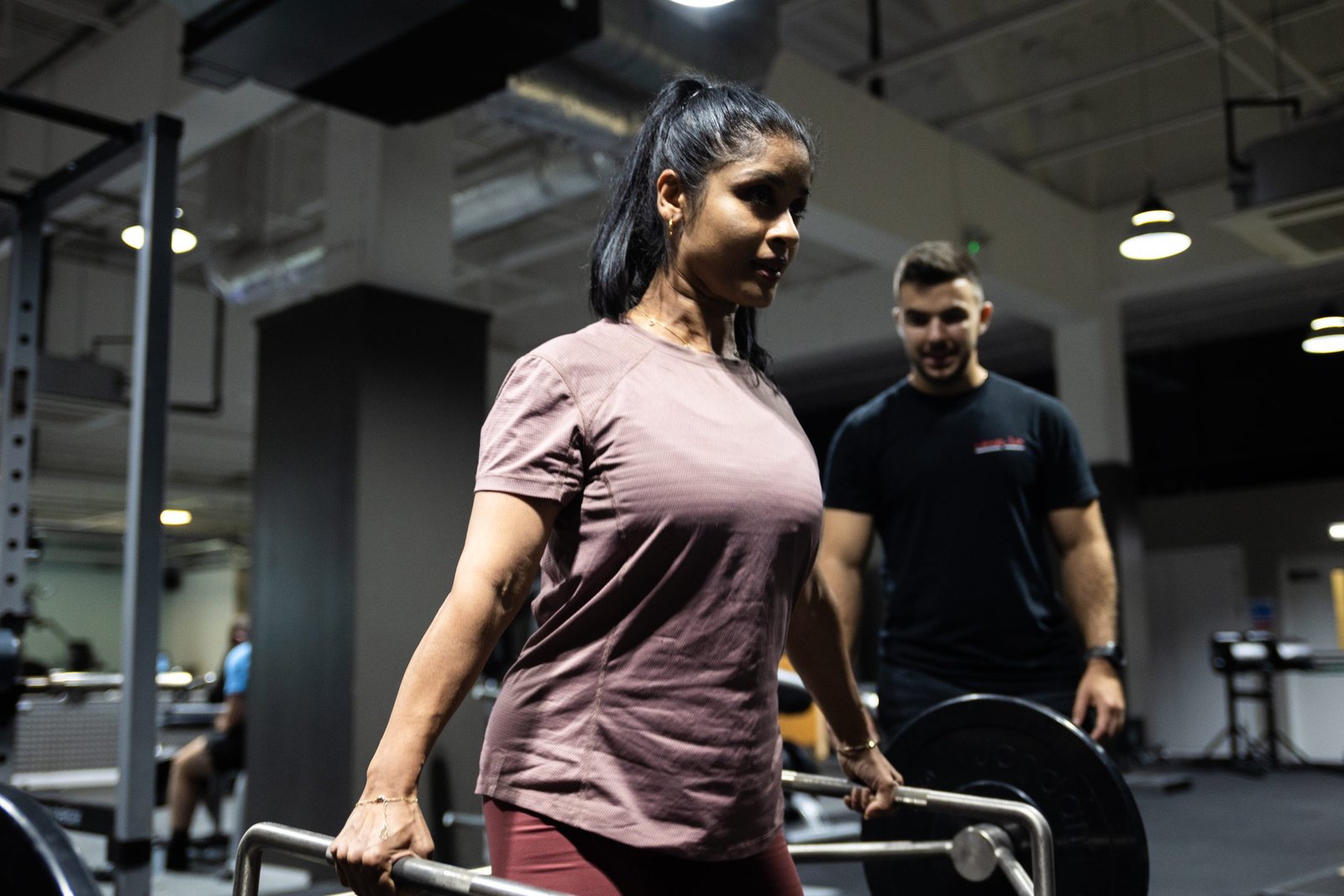
Parenthood is often a joyful journey filled with precious moments, but it’s also demanding, leaving little time for you to take proper care of your diet and fitness. Amidst the challenge of finding a happy balance between your new home, social and work routines, carving out time for exercise may seem like an impossible task. However, incorporating strength training into your daily or weekly schedule can bring about transformative benefits for mums and dads alike. Keep reading to find out some ways strength training can benefit you… 1. Increased Physical Strength & Endurance Parenting often involves a lot of lifting, carrying, and playing with kids, tasks that demand physical strength and endurance. Engaging in strength training exercises, such as weightlifting or bodyweight exercises, can significantly enhance your muscular strength. This improvement helps in coping with the physical demands of parenting, reducing fatigue and potential injury from repetitive movements. 2. Strength Training Boosts Energy Levels It might seem puzzling, but despite the constant demands of parenting, integrating strength training can help boost your energy levels. Regular exercise helps in releasing endorphins, commonly known as “feel-good” hormones, which contribute to an overall sense of well-being. Parents who engage in strength training often report feeling more energised and capable of handling the challenges of day-to-day parenting tasks. 3. Improved Stress Relief & Mental Well-being The responsibilities of parenting can be mentally taxing. Strength training serves as an excellent outlet for stress relief. It’s proven that physical activity, particularly strength training, helps to reduce levels of cortisol, the stress hormone, leading to a calmer and more relaxed state of mind. Also, carving out time for yourself to focus on your fitness can serve as a mental break, allowing you to return to parenting duties with a clearer mind and increased patience. 4. Higher Sleep Quality From Strength Training Parenting often disrupts sleep patterns, leading to fatigue and irritability. However, engaging in regular strength training can aid in improving sleep quality, allowing parents to enjoy more restful and rejuvenating sleep between night feeds and nappy changes. Quality rest is essential for optimal functioning and mental clarity, enabling parents to face each day’s challenges with a clearer mind. 5. Role Models Healthy Habits Setting a positive example for children helps to instil healthy habits from a young age. By incorporating regular fitness into your routine, you show the importance of keeping fit and self-care. Children observe and learn from their parents’ behaviours, making it crucial to model a commitment to health and fitness, encouraging them to adopt similar habits as they grow. 6. Enhances Confidence & Self-esteem Parenthood can sometimes lead to a shift in focus from personal goals to the needs of the family. However, dedicating time to yourself allows parents to focus on their physical well-being, fostering a sense of accomplishment and boosting self-esteem. Achieving fitness milestones and seeing improvements in strength can significantly enhance confidence, positively impacting various aspects of life. 7. Long-term Health Benefits Beyond the immediate advantages, integrating strength training into your routine can yield long-term health benefits. It helps in building and maintaining bone density, reducing the risk of osteoporosis later in life. Strength training also aids in maintaining muscle mass, which naturally declines with age. By investing in strength training now, parents can lay the groundwork for a healthier and more active future. Make Strength Training and Fitness a Priority While parenting presents challenges, incorporating strength training into your routine can bring about a lot of benefits. From improved physical strength and endurance to enhanced mental well-being and setting a positive example for your children, the advantages are vast. Making fitness a priority not only benefits parents in the present but also contributes to a healthier and more fulfilling future for the entire family. Ready to transform your life as a parent through the power of strength training? Take the first steps towards a healthier, stronger you today. Reach out and let’s have a conversation about how I can help you get started on your empowering new fitness journey.
The Secret Science Behind Reps, Sets and Weights
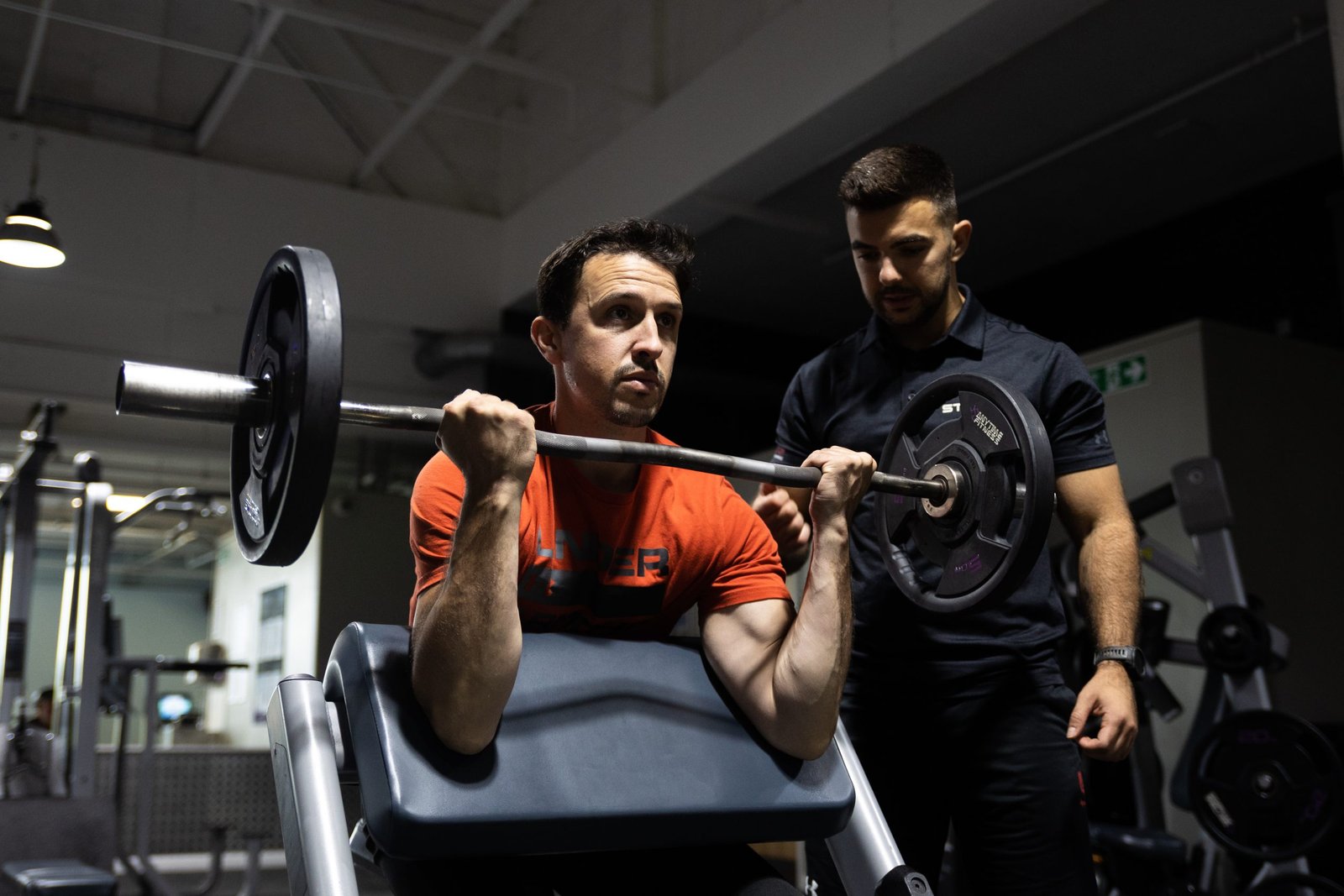
How often have you wondered how many reps, sets and weights you should train for maximum benefit? As a personal trainer, it’s a question I get asked a lot. Whether you’re a seasoned gym-goer or taking your first steps into the fitness world, there’s a lot of uncertainty, confusion and misunderstanding on the subject. This blog will help you understand the secret behind reps, sets and weights so that you can get the most from every workout. What Are Repetitions? Repetitions, AKA reps, are at the centre of any workout. They provide the rhythm and structure to your exercise routine, shape your muscles and define your strength. Experts at the National Health Service highlight the importance of including repetitions into your workout to where it would be hard to perform another rep without help. This is the point of muscle fatigue. Why? Because as you perform repetitions your muscles experience microscopic damage which triggers a repair and growth response, and it’s this process that is the key to building the size and strength of your muscles. The Great Weight Debate Lots of people want to know how much weight to press or pull for maximum gains, but here’s the thing…there isn’t a set number of pounds or kilograms. Weights are the resistance that lead to progress, and it’s all about creating resistance that engages your muscles in a certain way and tires them out. That’s because an increase in muscle strength, size and endurance only happens when the weight you lift is challenging enough to induce muscle fatigue. There’s no one size fits all for setting weights for certain exercises: It’s unique to you. Finding the correct amount of weight for a certain exercise is a process of trial and error, but always start with caution and choose a low weight. If you can press or pull it with ease, slightly increase the load until you reach a weight that challenges you. One thing to remember is never to compromise your form in favour of more weight, that’s when injury can occur. If you’re struggling with increasing the load and maintaining the correct technique the best person to ask for guidance is a specialist personal trainer. What Should Your Reps, Sets and Weights Be? Research into exercise physiology states that higher reps target the endurance-friendly slow-twitch fibres, while lower reps engage explosive, strength-focused fast-twitch fibres. Therefore, the number of reps, sets and weights depends on your fitness goals. A paper on ‘Loading Recommendations for Muscle Strength, Hypertrophy, and Local Endurance’ published by the National Centre for Biotechnology Information (NCBI) suggests that for… Raw Strength – ‘A low repetition scheme with heavy loads (from 1 to 5 repetitions per set with 80% to 100% of 1 repetition maximum (1RM)’. E.g. If your 1 rep max for a deadlift is 200kg and you want to optimise your strength, aim for 1-5 reps at 160-200kg. Muscle Growth (hypertrophy) – ‘A moderate repetition scheme with moderate loads (from 8 to 12 repetitions per set with 60% to 80% of 1RM)’. E.g. If your 1 rep max for a back squat is 100kg and you’re looking to build muscle, aim for 8-12 reps at 60-80kg. Muscular Endurance – ‘A high repetition scheme with light loads (15+ repetitions per set with loads below 60% of 1RM)’. E.g. If your 1 rep max for the seated cable row is 60kg and you want to increase your stamina, aim for 15+ reps at 36kg or below. A set is a defined number of repetitions performed consecutively without rest. During a set, your muscles experience a consistent level of stress which causes them to adapt and grow. As above, the number of sets primarily depends on your specific goal. If your primary goal is to build muscular endurance, a higher number of sets, around 3-6, with moderate weights and higher reps, can be effective. However, if you’re aiming for maximal strength and muscle growth, a lower set range, typically 2-4, with heavier weights and fewer reps may be more suitable. For those new to strength training, starting with a moderate number of sets is a wise move. Beginning with 2-3 sets per exercise allowing your body to adapt gradually without overwhelming your muscles. Then as your strength and endurance improve, you can consider adjusting the number of sets to challenge yourself more. To support the above, ‘A Systematic Review of Advanced Resistance Training Techniques and Methods’ found that 3-6 sets was the most beneficial for people wanting to maximise muscle growth. Unlocking the Perfect Ratio of Reps, Sets and Weights The secret to a successful fitness journey ultimately lies in understanding what your goals are, where you’re at and creating an individualised plan that pieces everything together to work in perfect harmony. If you’re unsure where to start, looking to improve what you’re already doing or need help to take your strength training to the next level, I’m here to help. Reach out today and together we can unlock the secret to the perfect formula for your body transformation.

Is Keto Right For You And Your Fitness Journey?
Starting a fitness journey is like stepping into a maze with countless paths, each promising to lead you to your health and wellness goals. One important decision you’ll make is whether to opt for traditional, in-person personal training or embrace the digital age with online personal training. This blog will give you an insight into both so that you can make the best decision for you… The Traditional Approach: In-Person Personal Training For decades, in-person personal training has been the go-to choice for people looking for guidance and accountability in their fitness efforts. The benefits of in-person personal training include: The Future Of Fitness: Online Personal Training The fitness world has seen an enormous shift in recent years with the rise of online personal training. Through the power of technology, trainers can now connect with clients across the globe, regardless of geographical barriers and time zones. The benefits of online personal training include: If you choose Level Up Personal Training as your online personal training partner, you’ll also receive expert guidance, accountability, motivation and support throughout your online fitness journey. The Pros And Cons Of Online Personal Training PROS CONS Flexibility: Work out on your schedule, fitting your fitness plan around your work and life commitments. Lack of Physical Presence: Trainers can’t physically correct your form or provide hands-on help. Cost-Effective: Online personal training is often more affordable than in-person training. Potential for Distractions: Home environments may not be as conducive to focused workouts. Wide Trainer Selection: Access to a diverse range of trainers from around the world, allowing you to find the perfect fit. Need for Self-Motivation: You must stay motivated and disciplined without the external accountability of in-person sessions. Convenience: No commute time or scheduling conflicts, making it easier to stick to your fitness routine. Limited Equipment: Depending on your setup, you may have less equipment options. Customisation: Trainers can create personalised workout plans tailored to your specific goals, fitness level and equipment. Accessibility: Whether you’re at home, travelling or have limited access to a gym, online training provides access to fitness guidance wherever you are. Variety of Resources: Online personal training often offers a variety of resources such as workout videos, nutritional guidance and community support to enhance your fitness journey. Progress Tracking: Many online platforms provide tools to track your progress, such as workout logs and performance metrics, helping you stay accountable and motivated. Making the Choice: Which Is Right for You? Now that we’ve weighed the pros and cons of both in-person and online personal training, the million-pound question remains: which path should you choose? Ultimately, the answer lies in your preferences, lifestyle and goals. If you thrive on face-to-face interaction, crave the accountability of scheduled sessions and value hands-on guidance, in-person personal training may be your best bet. But if flexibility, customisation, accessibility and cost-effectiveness are high on your priority list, online personal training offers a compelling alternative. Whether you prefer the camaraderie of a gym or the convenience of your living room, the most important thing is connecting with a specialist personal trainer who’s right for you. Could my bespoke online personal training service be your perfect fit? Let’s have a chat and find out! Click here to get in touch today.
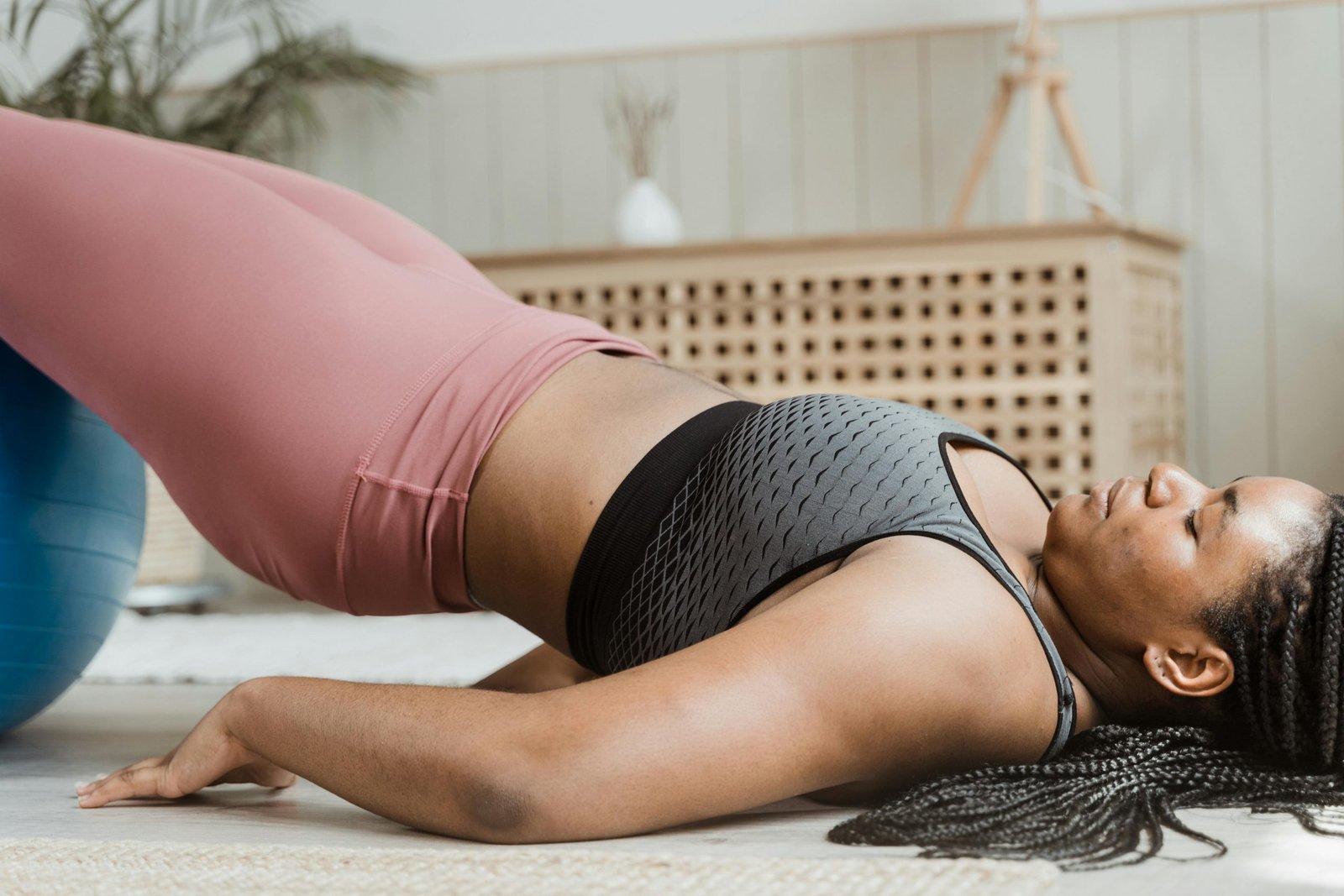
5 Bodyweight Exercises To Kick-Start Your Fitness Journey At Home
Are you tired of feeling overwhelmed by the thought of starting a fitness journey? Perhaps the idea of signing up with a personal trainer or braving the gym sends shivers down your spine? You’re not alone! Many of us have been there, itching to get fit but unsure where to begin or how to stick with it. But fear not, because I’ve got just the solution to kick-start your fitness adventure from the comfort of your own home. Bodyweight exercises… What Are Bodyweight Exercises? Simply put, bodyweight exercises are movements that use your own body weight as resistance, meaning no fancy equipment or gym memberships required! From squats and lunges to push-ups and planks, these exercises engage multiple muscle groups, improve strength and boost overall fitness. Plus, they’re incredibly versatile and are adaptable to suit any fitness level or goal. My Top 5 At Home Bodyweight Exercises Squats: Let’s kick things off with the king of lower body exercises – squats. This compound movement engages multiple muscle groups, including your quadriceps, hamstrings, glutes and core. By mastering the art of squats, you’ll not only sculpt a killer set of legs but also improve your overall strength and stability. To perform a squat correctly, stand with your feet shoulder-width apart, chest up and core engaged. Lower your body by bending your knees and pushing your hips back, as if you’re sitting back into an invisible chair. Ensure your knees stay in line with your toes, and your weight is evenly distributed through your heels. Rise back up to the starting position, squeezing your glutes at the top for that extra burn. Lunges: Next up, we have lunges – a dynamic exercise that targets your legs, glutes and even your core. Lunges are fantastic for improving balance and coordination while sculpting your lower body. Begin by standing tall with your feet hip-width apart. Take a step forward with one leg, lowering your body until both knees are bent at a 90-degree angle, with your front thigh parallel to the floor. Ensure your front knee is directly above your ankle, and your back knee hovers just above the ground. Push through your front heel to return to the starting position and repeat on the other leg. Keep your chest up, shoulders back and core engaged throughout the movement for maximum effectiveness. Push-Ups: Now, let’s shift our focus to the upper body with the classic push-up. Push-ups are a staple in any bodyweight workout, targeting your chest, shoulders, triceps and core. They not only build strength but also improve muscle endurance and stability. Start in a high plank position with your hands shoulder-width apart, wrists aligned with your shoulders and core engaged. Lower your body by bending your elbows until your chest nearly touches the ground, keeping your elbows close to your body. Push through your palms to extend your arms and return to the starting position. If full push-ups are too challenging, you can simplify things by performing them on your knees or against an elevated surface. Glute Bridges: For a killer posterior chain workout, look no further than glute bridges. This exercise primarily targets your glutes, hamstrings and lower back, helping to improve hip stability and alleviate lower back pain. Lie on your back with your knees bent and feet hip-width apart, arms by your sides. Engage your glutes and core as you lift your hips towards the ceiling, forming a straight line from your shoulders to your knees. Squeeze your glutes at the top of the movement, then lower your hips back down with control. Focus on driving through your heels and maintaining a neutral spine throughout the exercise. Planks: Last but certainly not least, we have planks – the ultimate core strengthener. Planks engage your entire core, including your abdominals, obliques and lower back, while also improving posture and stability. Begin in a forearm plank position, with your elbows directly beneath your shoulders and your body forming a straight line from head to heels. Engage your core and hold this position, ensuring your hips don’t sag or lift too high. Aim to maintain good form and breathe deeply throughout the exercise. Incorporating these bodyweight exercises into your home fitness routine will set you on the path to success, building strength, stability and confidence along the way. Remember, consistency is key, so aim to practise these movements regularly and gradually increase the intensity as you progress. And when you’re ready to take your fitness journey to the next level, you’ll do so with a solid foundation of strength and knowledge. Ready To Kick-Start Your Fitness Journey With A FREE 1-Month Bodyweight Exercise Plan? Now that you know which bodyweight exercises can help to kick-start your fitness journey at home, you’re probably wondering how to structure your workouts for maximum impact, right? Well, I’ve got you covered! Introducing my expertly designed 1-month bodyweight exercise plan, designed to take your fitness to new heights and leave you feeling stronger and more confident than ever before. Forget the guesswork and uncertainty. With this plan, you’ll know exactly how many reps and sets to do for each exercise, ensuring you get the most out of every session. And the best part? It’s completely FREE! Yes, you read that right, no hidden fees or strings attached. Just click the link below to get your hands on your very own copy of my 1-month bodyweight exercise plan and start crushing your fitness goals today! For a copy of my FREE bodyweight exercise plan, click here to get in touch.
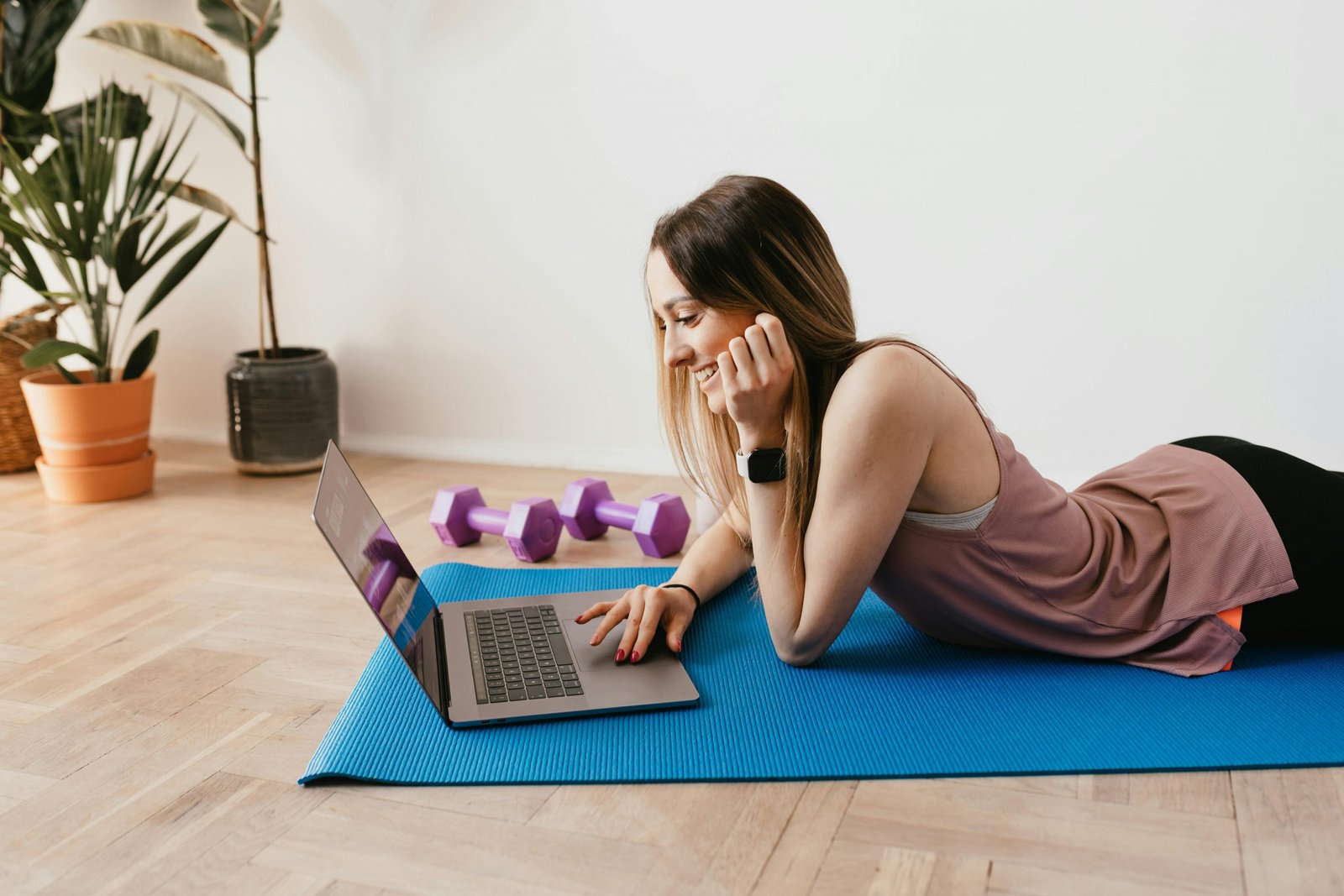
In-Person Versus Online Personal Training
Starting a fitness journey is like stepping into a maze with countless paths, each promising to lead you to your health and wellness goals. One important decision you’ll make is whether to opt for traditional, in-person personal training or embrace the digital age with online personal training. This blog will give you an insight into both so that you can make the best decision for you… The Traditional Approach: In-Person Personal Training For decades, in-person personal training has been the go-to choice for people looking for guidance and accountability in their fitness efforts. The benefits of in-person personal training include: The Future Of Fitness: Online Personal Training The fitness world has seen an enormous shift in recent years with the rise of online personal training. Through the power of technology, trainers can now connect with clients across the globe, regardless of geographical barriers and time zones. The benefits of online personal training include: If you choose Level Up Personal Training as your online personal training partner, you’ll also receive expert guidance, accountability, motivation and support throughout your online fitness journey. The Pros And Cons Of Online Personal Training PROS CONS Flexibility: Work out on your schedule, fitting your fitness plan around your work and life commitments. Lack of Physical Presence: Trainers can’t physically correct your form or provide hands-on help. Cost-Effective: Online personal training is often more affordable than in-person training. Potential for Distractions: Home environments may not be as conducive to focused workouts. Wide Trainer Selection: Access to a diverse range of trainers from around the world, allowing you to find the perfect fit. Need for Self-Motivation: You must stay motivated and disciplined without the external accountability of in-person sessions. Convenience: No commute time or scheduling conflicts, making it easier to stick to your fitness routine. Limited Equipment: Depending on your setup, you may have less equipment options. Customisation: Trainers can create personalised workout plans tailored to your specific goals, fitness level and equipment. Accessibility: Whether you’re at home, travelling or have limited access to a gym, online training provides access to fitness guidance wherever you are. Variety of Resources: Online personal training often offers a variety of resources such as workout videos, nutritional guidance and community support to enhance your fitness journey. Progress Tracking: Many online platforms provide tools to track your progress, such as workout logs and performance metrics, helping you stay accountable and motivated. Making the Choice: Which Is Right for You? Now that we’ve weighed the pros and cons of both in-person and online personal training, the million-pound question remains: which path should you choose? Ultimately, the answer lies in your preferences, lifestyle and goals. If you thrive on face-to-face interaction, crave the accountability of scheduled sessions and value hands-on guidance, in-person personal training may be your best bet. But if flexibility, customisation, accessibility and cost-effectiveness are high on your priority list, online personal training offers a compelling alternative. Whether you prefer the camaraderie of a gym or the convenience of your living room, the most important thing is connecting with a specialist personal trainer who’s right for you. Could my bespoke online personal training service be your perfect fit? Let’s have a chat and find out! Click here to get in touch today.